
« Je ne pense toujours pas que le combat soit terminé… » Les révélations franches de Leah Williamson sur les barrières entre les sexes dans le football provoquent un vif débat et surprennent de nombreux supporters… voir plus ci-dessous ⤵️
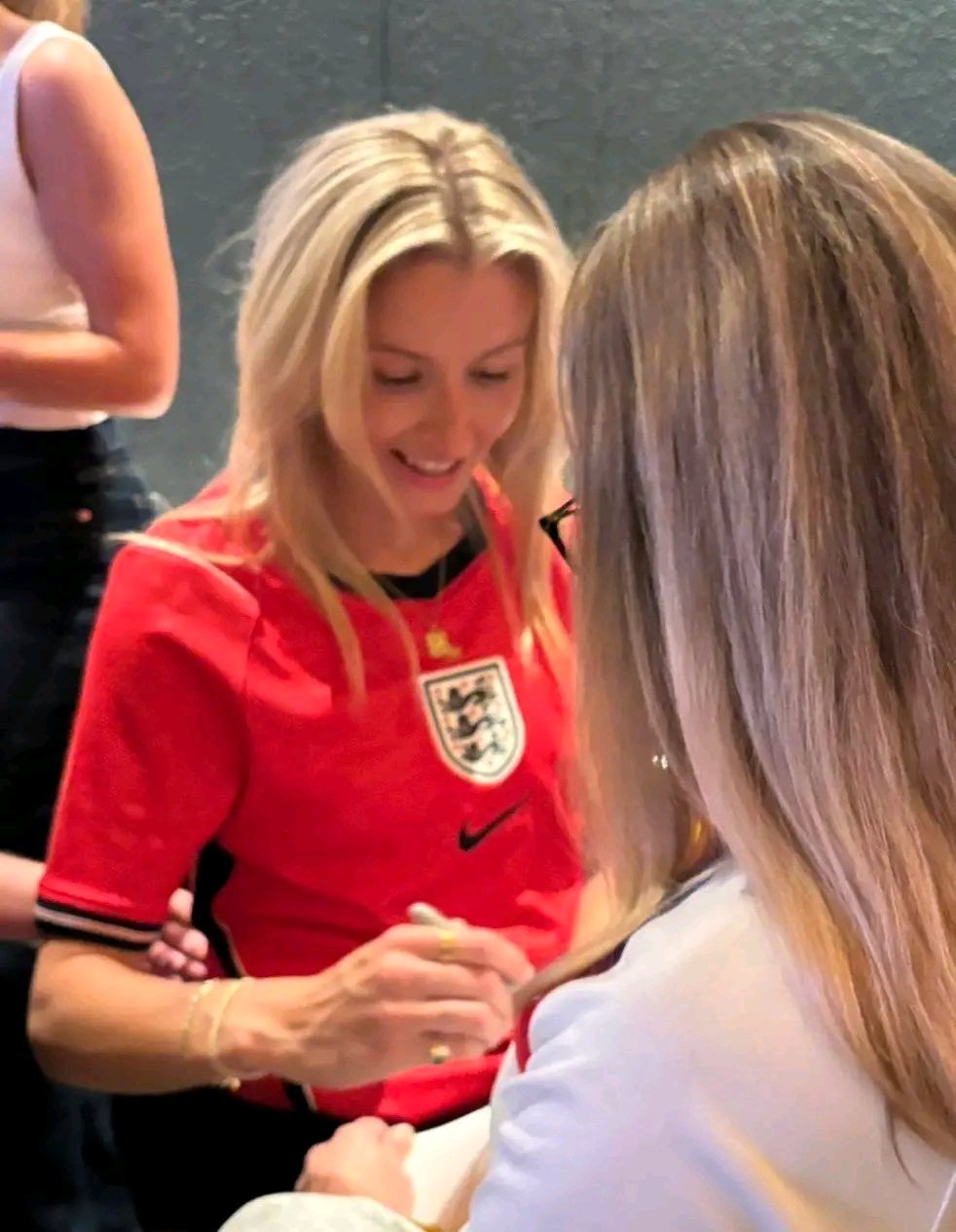
Leah Williamson Says Gender Barriers Still Exist as She Calls for Greater Equality in Football
England captain Leah Williamson has reignited the conversation around equality in football after speaking candidly about the challenges that women continue to face in the sport. While acknowledging that progress has been made over recent years, Williamson insisted that gender barriers have not disappeared and that the fight for equal recognition is far from over.

Speaking about the current state of women’s football, Williamson explained that although more opportunities are becoming available, there are still significant obstacles preventing the women’s game from reaching its full potential. Her comments have sparked widespread discussion among supporters, players and football experts, many of whom believe the sport has entered a new era but still requires greater investment and commitment.
Williamson emphasized that women’s football should no longer be treated as an afterthought. Instead, she argued that it deserves to be included in every major football conversation, from long-term planning and financial investment to media coverage and decision-making at club and governing-body level.
The Arsenal defender also pointed out that positive environments do exist. She praised clubs and organizations that genuinely value women’s football and ensure female players are listened to, respected and given the resources they need to succeed. According to Williamson, these examples prove that meaningful change is possible when football leaders make equality a priority rather than an obligation.
Women’s football has experienced remarkable growth over the past decade. Attendances have broken records, television audiences have increased dramatically, and major international tournaments have attracted millions of viewers worldwide. The success of competitions such as the FIFA Women’s World Cup and the UEFA Women’s Championship has demonstrated the growing popularity of the women’s game.
Despite these achievements, many players continue to raise concerns over unequal funding, lower wages, limited facilities and inconsistent media attention compared with the men’s game. Williamson believes these issues highlight why conversations about equality must continue rather than fade as the sport grows.
Her remarks quickly gained traction across social media, where fans shared differing opinions. Many praised the England captain for using her platform to speak openly about ongoing inequalities, while others pointed to the significant progress made in recent years. The overwhelming response, however, agreed that continued development is essential if women’s football is to achieve lasting equality.
For many supporters, Williamson’s message serves as a reminder that success on the pitch must be matched by progress off it. Equal opportunities, improved investment and stronger representation remain central to the future of the women’s game.
As women’s football continues its rapid rise around the world, Williamson hopes the momentum will lead to lasting structural change rather than temporary attention. She believes the future of football depends on ensuring that female players have the same opportunities to develop, compete and inspire the next generation.
Her comments have once again placed equality at the centre of football’s global conversation, reinforcing the belief that while the sport has come a long way, there is still important work ahead before true gender equality becomes a reality.
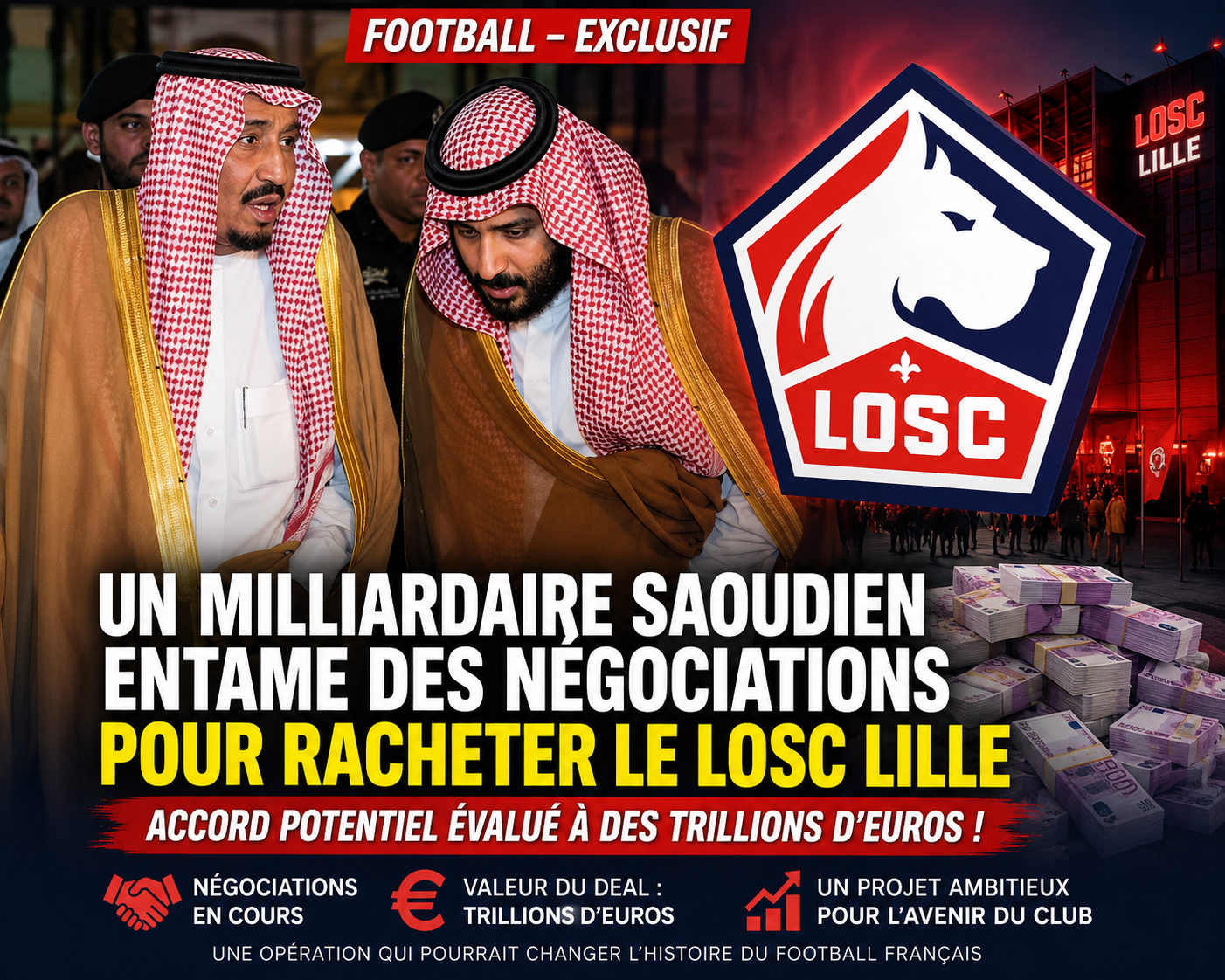
“Un milliardaire saoudien en discussions avancées pour le rachat du LOSC Lille dans un accord estimé à des trillions d’euros, une opération qui pourrait bouleverser l’équilibre du football européen et marquer un tournant historique….see more ⤵️

Sunderland AFC Complete Exciting New Signing as Black Cats Welcome Talented Rising Star Ready to Strengthen the Squad, Inspire the Stadium of Light Faithful, and Help Drive the Club Towards a Successful New Era Filled with Ambition, Passion, and Belief…..
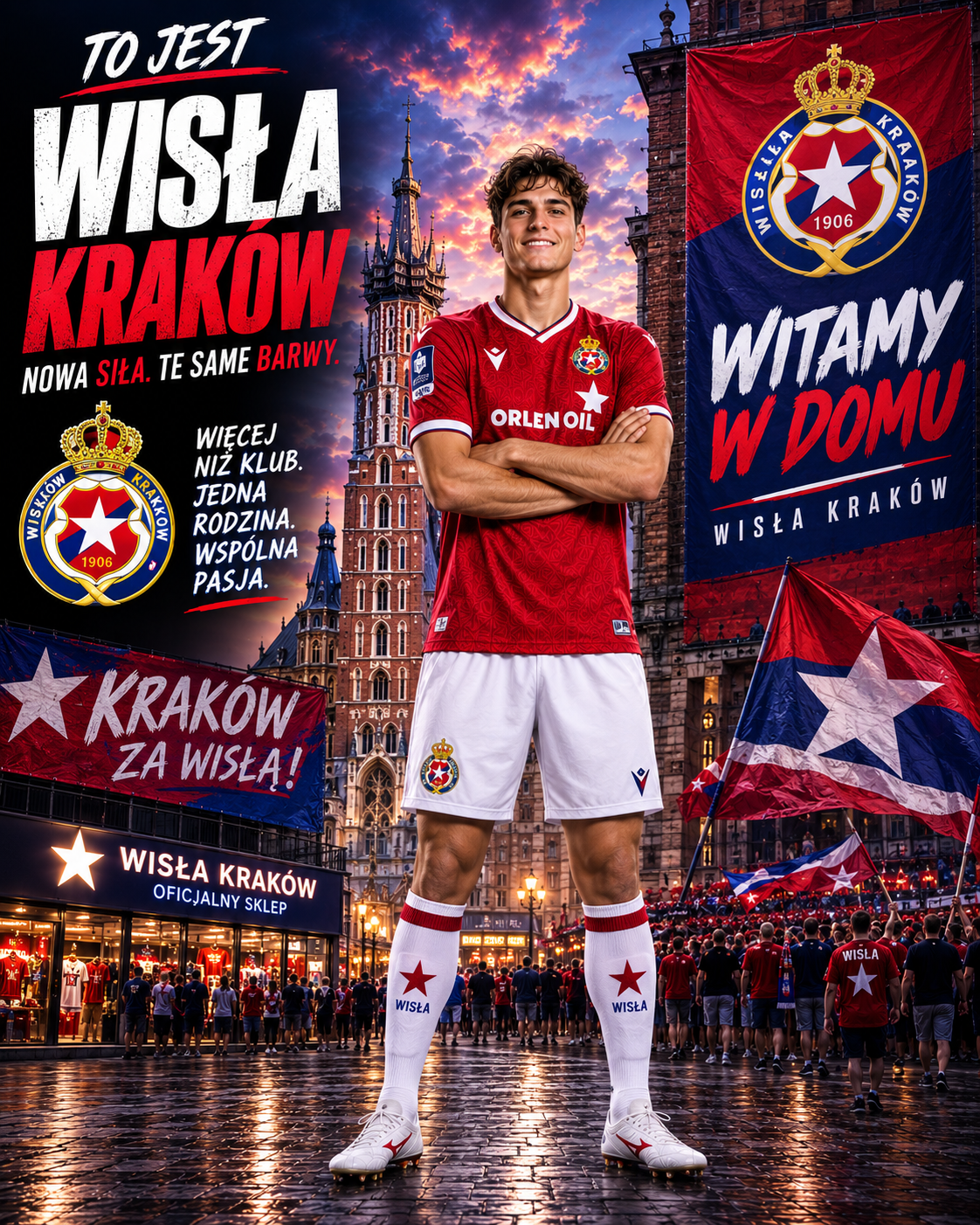
🚨 OFFICIEL : Le Wisła Kraków réalise un énorme coup sur le marché des transferts en s’offrant une nouvelle recrue pour 4,8 millions d’euros après de longues négociations, un renfort qui relance les ambitions du club avant la nouvelle saison… Voir plus ⤵️
About The Author
