
Inferno on Union Street: A Spartanburg Landmark Reduced to Ashes
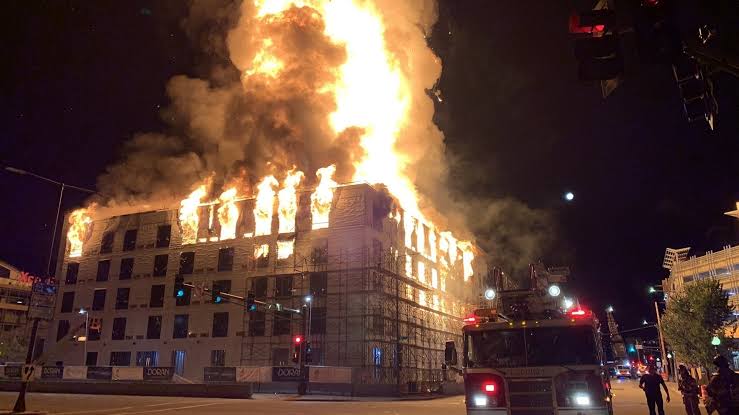
**Spartanburg, SC – October 17, 2025** – In the heart of downtown Spartanburg, where the pulse of the city beats strongest along historic Union Street, tragedy struck just after midnight. Flames erupted from the century-old brick facade of the old textile warehouse at 147 Union St., transforming a beloved community fixture into a raging inferno that lit up the night sky like a funeral pyre.
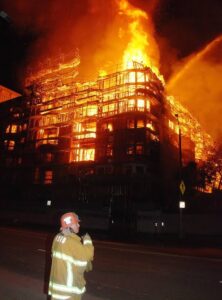
By dawn, the building—once a hub for local artists, flea markets, and whispered tales of mill-town glory—was nothing more than a smoldering skeleton of charred beams and twisted metal.
Eyewitnesses described the scene as apocalyptic. “I was walking my dog when I heard this crackling, like fireworks gone wrong,” said resident Maria Gonzalez, 42, who lives two blocks away. “Then the smoke hit—thick, black, choking. You could feel the heat from the street. Sirens wailed before I even dialed 911.” The call came in at 12:47 a.m., alerting the Spartanburg Fire Department to what would become their most grueling battle of the fall season. Engine companies from Stations 1 and 3 arrived within minutes, only to confront a wall of fire roaring through the structure’s second floor.
The building, constructed in 1923 as part of Spartanburg’s booming textile era, had long since evolved into a vibrant mixed-use space. Downstairs, it housed “Union Threads,” a quirky boutique selling handmade scarves and vintage linens, run by sisters Elena and Sofia Ramirez for over a decade. Upstairs lofts served as studios for five local painters and a pottery collective, their works dotting the walls in bursts of color now lost to the blaze. “It was more than a building; it was our canvas,” Elena Ramirez sobbed to reporters, her face streaked with soot as she clutched a salvaged sketchbook. The sisters estimated losses in the hundreds of thousands, with no insurance to soften the blow— a harsh reminder of the precarity facing small businesses in the post-pandemic economy.
Fire Chief Marcus Hale, a 25-year veteran, called it “a perfect storm of old wood and high winds.” Gusts up to 20 mph fanned the flames, complicating efforts as embers showered nearby rooftops. Over 60 firefighters from Spartanburg and neighboring Greer battled the blaze for seven hours, deploying four hoses and a ladder truck to douse the roof. At its peak, the fire’s glow was visible from I-85, drawing gawkers and delaying early commuters. Miraculously, no lives were lost. The night watchman, 68-year-old retiree Harold Jenkins, escaped with minor burns after spotting the initial flicker near a faulty electrical panel in the basement. “Thought it was just a short,” Jenkins recounted from his hospital bed. “Next thing, the whole place is screaming.”
Investigators from the State Fire Marshal’s Office descended by 8 a.m., combing the debris for clues. Preliminary reports point to an electrical malfunction in the aging wiring, exacerbated by the building’s outdated infrastructure—a common culprit in historic districts nationwide. “We’ve warned owners about these risks for years,” said Hale, urging property inspections amid rising arson concerns in urban South Carolina. No foul play is suspected yet, but samples were sent to Columbia for accelerant testing.
The destruction ripples beyond the rubble. Union Street, a artery for foot traffic to nearby cafes and the Chapman Cultural Center, was cordoned off until noon, snarling downtown traffic. Displaced artists like sculptor Liam Torres, 29, now face eviction notices from their sublet spaces. “My kiln was in there—months of clay work, gone,” Torres said, sifting through ash for fragments. Community leaders rallied quickly: The Red Cross set up a relief fund at the scene, collecting donations for the Ramirez sisters and tenants. By midday, a GoFundMe had raised $12,000, with pledges from as far as Charlotte.

Spartanburg’s mayor, Pro Tem Linda Billingsley, addressed a crowd of 200 at a hastily called press conference outside City Hall. “Union Street isn’t just bricks and mortar; it’s the thread weaving our history,” she declared, vowing expedited permits for rebuilding. “We’ll rise from these ashes stronger, with fire codes that protect our heritage.” Local historians echoed her sentiment, noting the warehouse’s role in the 1930s labor strikes that shaped Southern union movements—an irony not lost amid the smoke.
As cleanup crews hauled away twisted rebar under gray October skies, residents gathered in quiet vigil. Flowers and candles lined the barricades, tributes to a space that fostered dreams. For Gonzalez and her neighbors, the fire’s acrid scent lingers, a bitter reminder of fragility. Yet in Spartanburg’s resilient spirit, whispers of rebirth already stir. What was lost in flames may yet inspire a phoenix: a modern cultural hub, safer and brighter, honoring the past while embracing tomorrow.