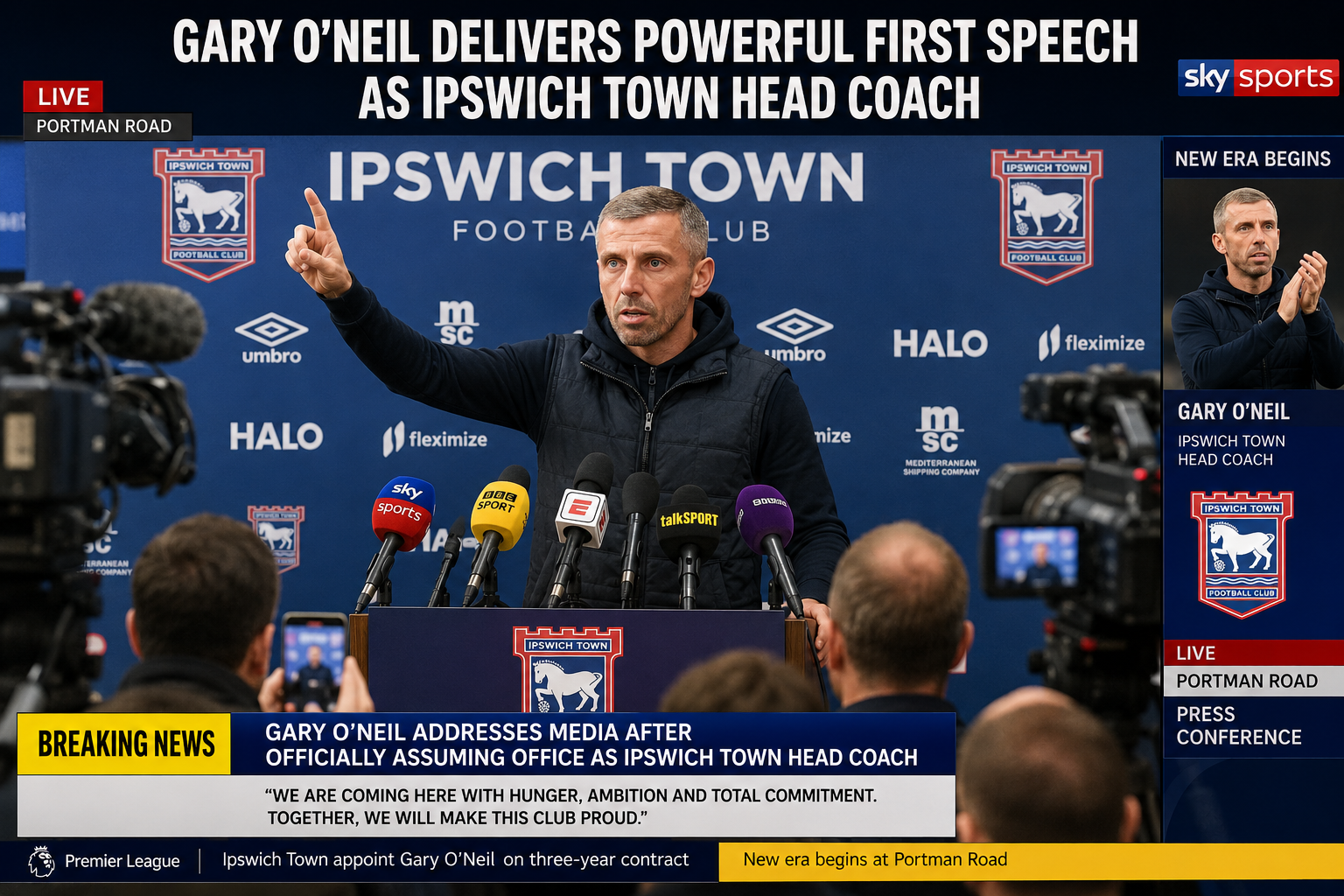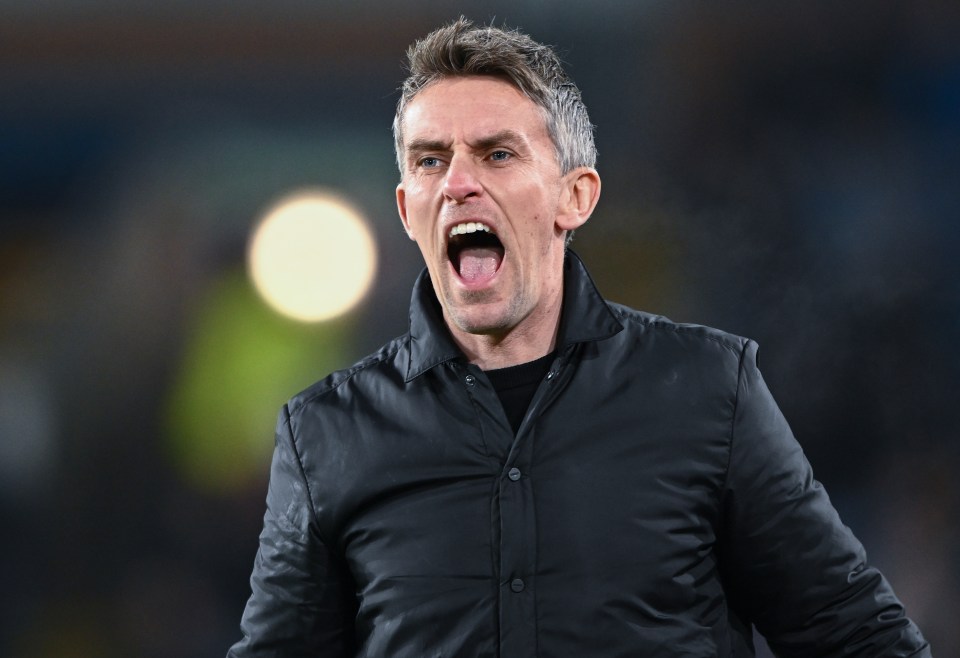
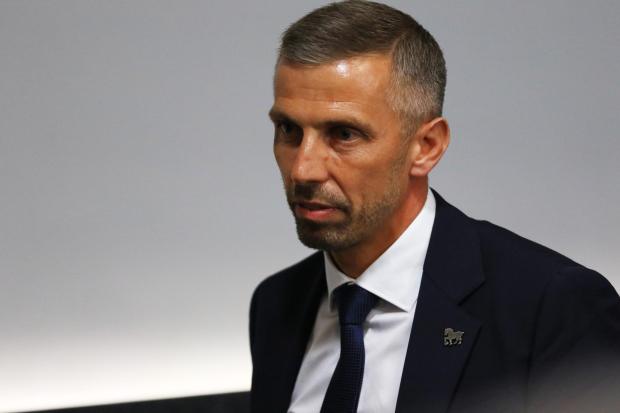
Ipswich Town’s appointment of Gary O’Neil as their new manager marks the beginning of an exciting new tactical era at Portman Road. Following the departure of Kieran McKenna, attention has quickly shifted to how O’Neil intends to shape the Blues ahead of a demanding new season.
O’Neil arrives with a growing reputation as a tactically flexible coach, having already demonstrated his abilities at Bournemouth, Wolves, and more recently Strasbourg. His coaching journey has shown one consistent theme: adaptability. Rather than forcing one rigid system, O’Neil builds around the strengths of the players available to him.

That adaptability could prove crucial for Ipswich as they prepare for the challenges ahead.
At Bournemouth, O’Neil inherited a side that had largely operated in a 4-2-3-1 under Scott Parker. Upon taking charge, he adjusted the structure into something closer to a 4-4-2 when defending. This change gave Bournemouth greater compactness without possession, allowing them to remain organized against stronger opponents.
The tactical idea was clear. The front two worked hard to screen passes into midfield, forcing opponents to attack through wider areas. Behind them, the midfield four narrowed aggressively to protect central spaces and deny dangerous through balls.
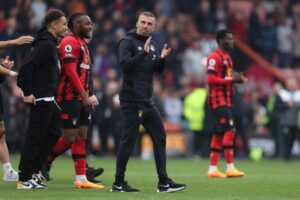
This setup allowed Bournemouth to stay disciplined defensively while remaining dangerous in transition. Quick counterattacks became their biggest weapon, often centered around Dominic Solanke’s movement and link-up play. O’Neil’s Bournemouth were not designed to dominate possession—they were built to punish mistakes and exploit spaces.
At Wolves, O’Neil showed another side of his tactical intelligence.

Although he initially worked with a back four, he soon realized that a 3-4-2-1 system gave the team greater balance. This system transformed into a compact 5-4-1 without the ball, allowing Wolves to defend deep while remaining structurally strong.
The emphasis was once again on protecting central areas and forcing opponents wide. Once the opposition crossed into dangerous zones, Wolves relied heavily on their aerially dominant center-backs to deal with deliveries into the box.
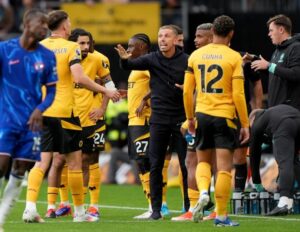
This wasn’t an aggressive pressing side. Instead, O’Neil preferred a controlled mid-block or low-block approach, pressing only in carefully selected moments. Opposition full-backs were often targeted during these pressing triggers, with Wolves attempting to force rushed long passes.
In attack, however, Wolves were dynamic and dangerous.
Wing-backs played a critical role in stretching the pitch. Their advanced positioning created room for the two narrow attacking midfielders to drift inside and attack dangerous spaces. This shape made Wolves highly effective during counterattacks, as transitions became sharp and direct.

His spell at Strasbourg offered another tactical variation.
There, O’Neil had access to a younger, more technically gifted squad capable of controlling possession. As a result, he leaned toward a more traditional 4-2-3-1 shape with greater emphasis on structured buildup and possession-based football.
Unlike his previous teams, Strasbourg often used natural wingers to stretch opposition defenses. The attacking midfield structure allowed the number ten to operate closer to the striker, creating fluid movement in the final third.

This tactical flexibility gives a strong clue about what Ipswich fans might expect next season.
The most likely outcome is a system inspired by O’Neil’s best work at Wolves—a 3-4-2-1 built around defensive compactness, wing-back progression, and rapid transitions.
If this happens, Ipswich’s current squad offers several interesting possibilities.
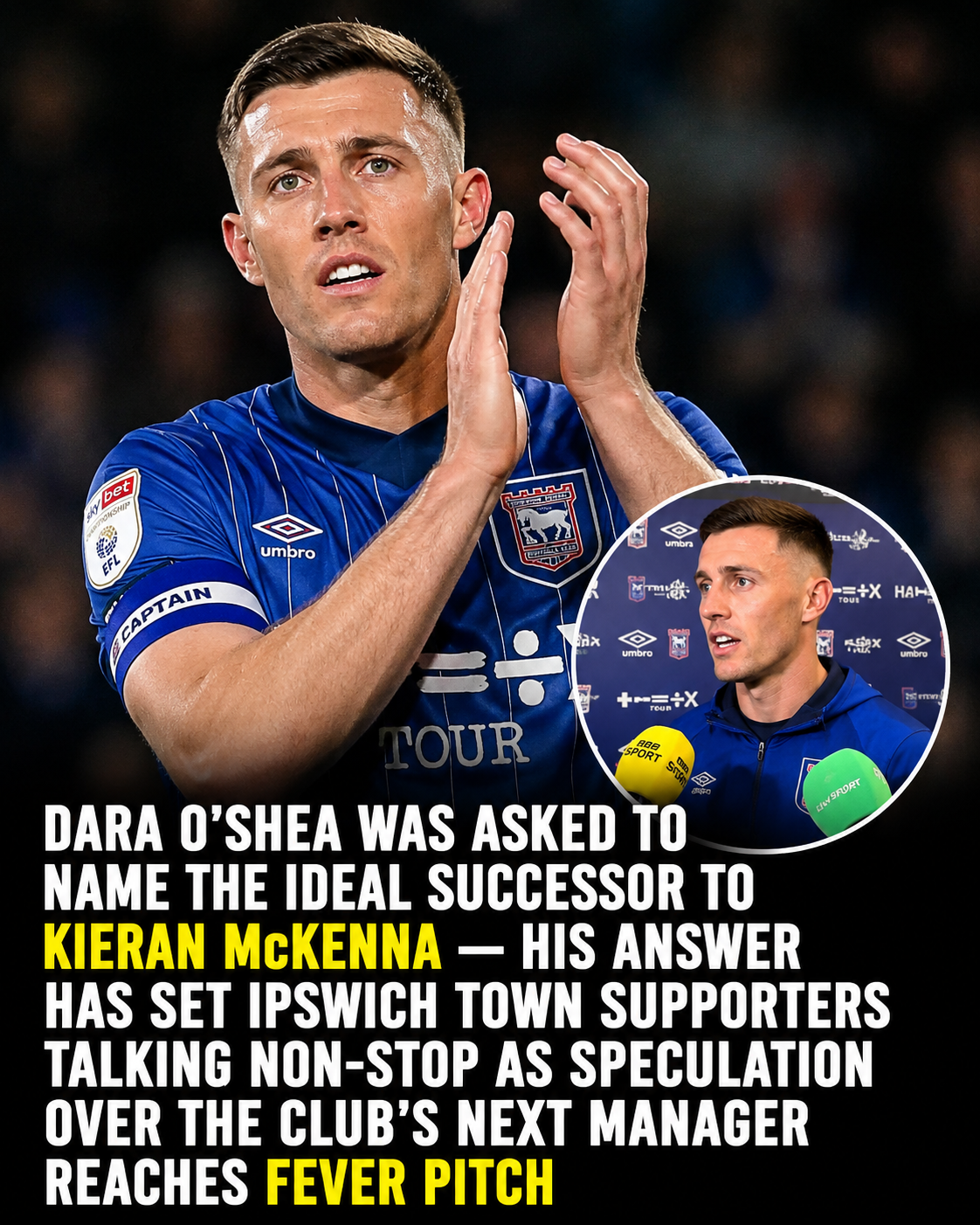
Defensively, Dara O’Shea could become the ideal central figure in a back three. His leadership, defensive awareness, and physical presence make him well suited for the role. Jacob Greaves also appears a natural fit on the left side of that back three, bringing both height and composure.

The right side remains an area where Ipswich may need reinforcements. A player capable of operating as both right center-back and right-back would offer valuable tactical flexibility.
Wing-backs could become the heartbeat of this Ipswich side.
Leif Davis, in particular, may thrive under O’Neil. His attacking instincts and energy make him a perfect candidate to excel in a wing-back role, where he would be given license to push high and deliver dangerous balls into advanced areas.
The right wing-back role could be equally important, especially during transitions into a back four. This position would require both defensive discipline and attacking quality.
In midfield, O’Neil’s preferred setup usually includes one deep-lying anchor alongside a more progressive partner. The anchor shields the defense and allows others to push forward, while the second midfielder focuses on progression, line-breaking passes, and tempo control.
This balance will be crucial if Ipswich are to execute O’Neil’s tactical vision effectively.
Further forward, the two attacking midfielders behind the striker could become the most fascinating part of the system.
These are not traditional wingers or classic number tens. Instead, they are hybrid attackers—players capable of carrying the ball, drifting into wide spaces, and cutting inside to attack central areas. Pace, movement, and directness are essential.
This could create exciting opportunities for players like Jack Clarke and Jaden Philogene.
Clarke appears naturally suited to such a role. His ability to drive forward and attack defenders fits perfectly. Philogene, meanwhile, presents an interesting tactical challenge. Under McKenna, he preferred operating high and wide. O’Neil’s narrower attacking structure may require him to adapt significantly.
That adaptation could either unlock a new dimension in his game or become one of O’Neil’s biggest challenges.
The striker role is more straightforward. O’Neil’s system requires a forward who can run channels, press aggressively, and stretch defenses with intelligent movement. Strong hold-up play is beneficial but not absolutely essential.
Ultimately, transfer business will determine how quickly O’Neil can implement his ideas.
Ipswich may need as many as 10 or 11 signings to fully build a squad capable of executing this system at a high level. However, the foundations are already there.
What makes this appointment so intriguing is not just Gary O’Neil’s tactical knowledge, but his ability to adapt. He has shown that he can build defensive resilience, tactical flexibility, and attacking threat in very different environments.
Now, the challenge is bringing that vision to Portman Road.
If he gets it right, Ipswich Town could evolve into a disciplined, dangerous, and tactically sophisticated side capable of making major progress next season.